Garbe Industrial has founded a new subsidiary named Garbe Regeneration, according to a press release from the company. The new company will focus on the reactivation of unused areas as well as the development and rehabilitation of so-called brownfields. The aim is to prepare properties for economic use and to create building rights. The company will commence its activities on August 1, 2025.
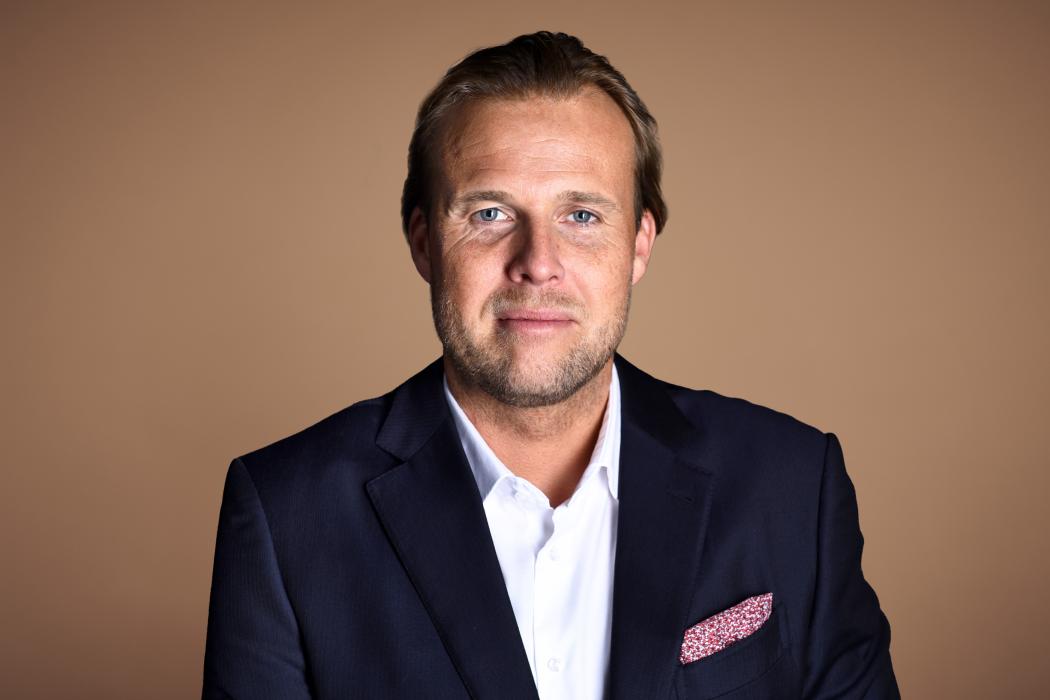
The management of Garbe Regeneration will be taken over by Maik Zeranski and Rick Mädel. Zeranski is already the Head of Project Development at Garbe Industrial and part of the management team. He will retain these positions. According to
Garbe, Rick Mädel is an experienced specialist in brownfield developments. He has more than ten years of operational experience in the revitalization of industrial and derelict sites, is the founder of the platform Brownfield24, and chairman of the German Brownfield Association. The management team is complemented by Adrian Zellner, who is responsible for business development at Garbe Industrial and is also a member of the management team. He will also remain active in his current roles.
The focus of the new company, according to the announcement, is on identifying land potentials and remediating contaminated sites to make them available, especially for industrial,
logistics, and commercial uses. In the future, projects from other areas of use are also to be realized.
"The development of brownfields is considerably more complex than classic project developments and requires comprehensive technical, economic, and legal know-how," Maik Zeranski is quoted as saying. "With the new company, we are bundling our competencies and creating the conditions to implement such projects more efficiently and in a more structured way."
According to the company, the background to the founding is the increasing structural shortage of land. According to Garbe Research, political goals to limit land consumption are already leading to a decline in
the designation of new logistics areas. Thus, in key logistics regions, there could be no available land potentials by 2037.
"Classic project development is increasingly reaching its limits. That is why we are deliberately focusing on the reactivation of existing land potentials and thereby making an important contribution to a economically and ecologically sustainable location strategy in Germany and Europe," says Rick Mädel. "The reactivation of industrial brownfields is not a gap filler - it is a crucial element for the future viability of entire regions. For a long time, brownfields were seen as a problem; we see them as an opportunity."