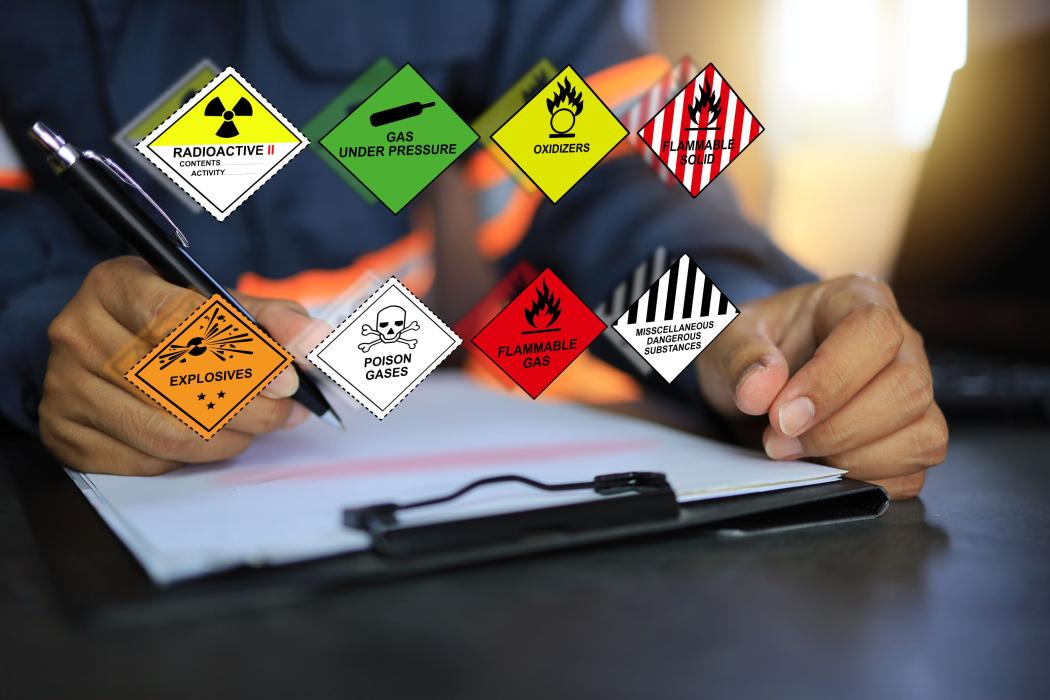
The Federal Institute for Materials Research and Testing (BAM) will make its dangerous goods database available online free of charge as part of its open-source strategy. This makes an important contribution to digital transformation and standardization in the dangerous goods sector, the agency announced on July 23 in Berlin.
The "Database DANGEROUS GOODS (DGG)" provides
prepared information on the regulations for the transport of dangerous goods by road, rail, inland waterway, sea, and air. According to BAM, the target group is mainly authorities and companies that plan, carry out, or monitor dangerous goods transports and wish to integrate the regulatory data into their own applications.
BAM stated that through its
activities in national and international committees, it has access to all relevant information on the development of regulations in dangerous goods law. Regular updates of the content are necessary as the dangerous goods regulations are revised every two years.
A large part of the DGG was previously only available for a fee and is now
freely accessible. Further information on the DANGEROUS GOODS database can be found at: www.dgg.bam.de.
About BAM
The Federal Institute for Materials Research and Testing (BAM) is a scientific and technical federal authority within the portfolio of the Federal Ministry for Economic Affairs and Energy. It tests, researches, and advises to protect people, the environment, and