The sales of professional service robots worldwide rose by nine percent in 2024 to just under 200,000 units. This is reported in the World Robotics Yearbook – Service Robots of the International Federation of Robotics (IFR), according to a press release dated October 7. The shortage of qualified workers is seen by the IFR as one of the main reasons for companies to deploy robots that are specifically designed for use with trained professionals. Due to demographic change, demand for medical robots is also rising, it says. The data in the report are based on a survey of 294 companies.
„We see a strong demand for service robots across a wide range of applications,“ says Takayuki Ito, President of the International Federation of Robotics. “In order for automation projects to be feasible without large upfront investments, more and more companies are choosing not to buy the robot outright, but to finance it through subscriptions or rental contracts. The robot-as-a-service fleet — short RaaS — has grown
by an impressive 31 percent as a result.”
Mobile robots dominate
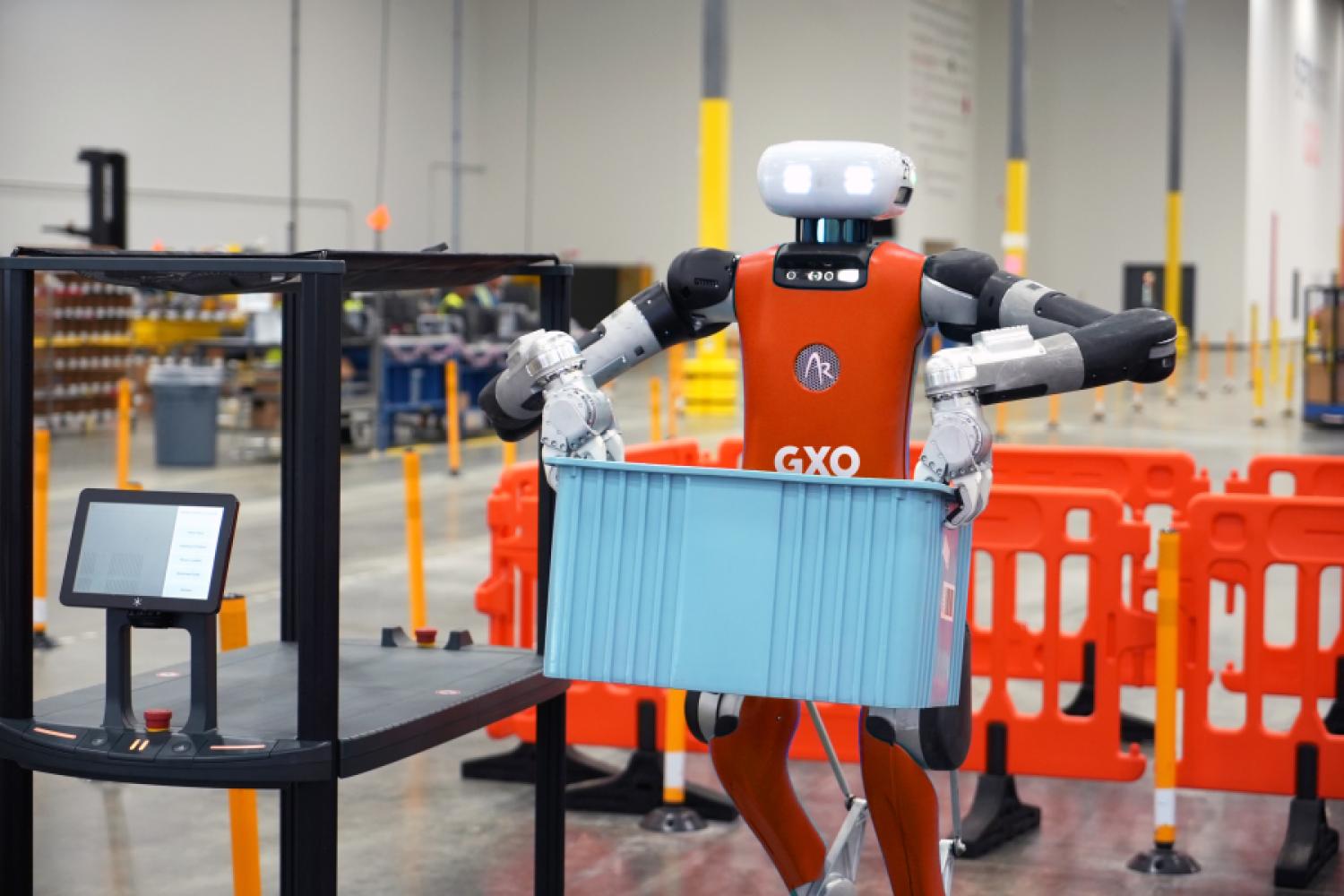
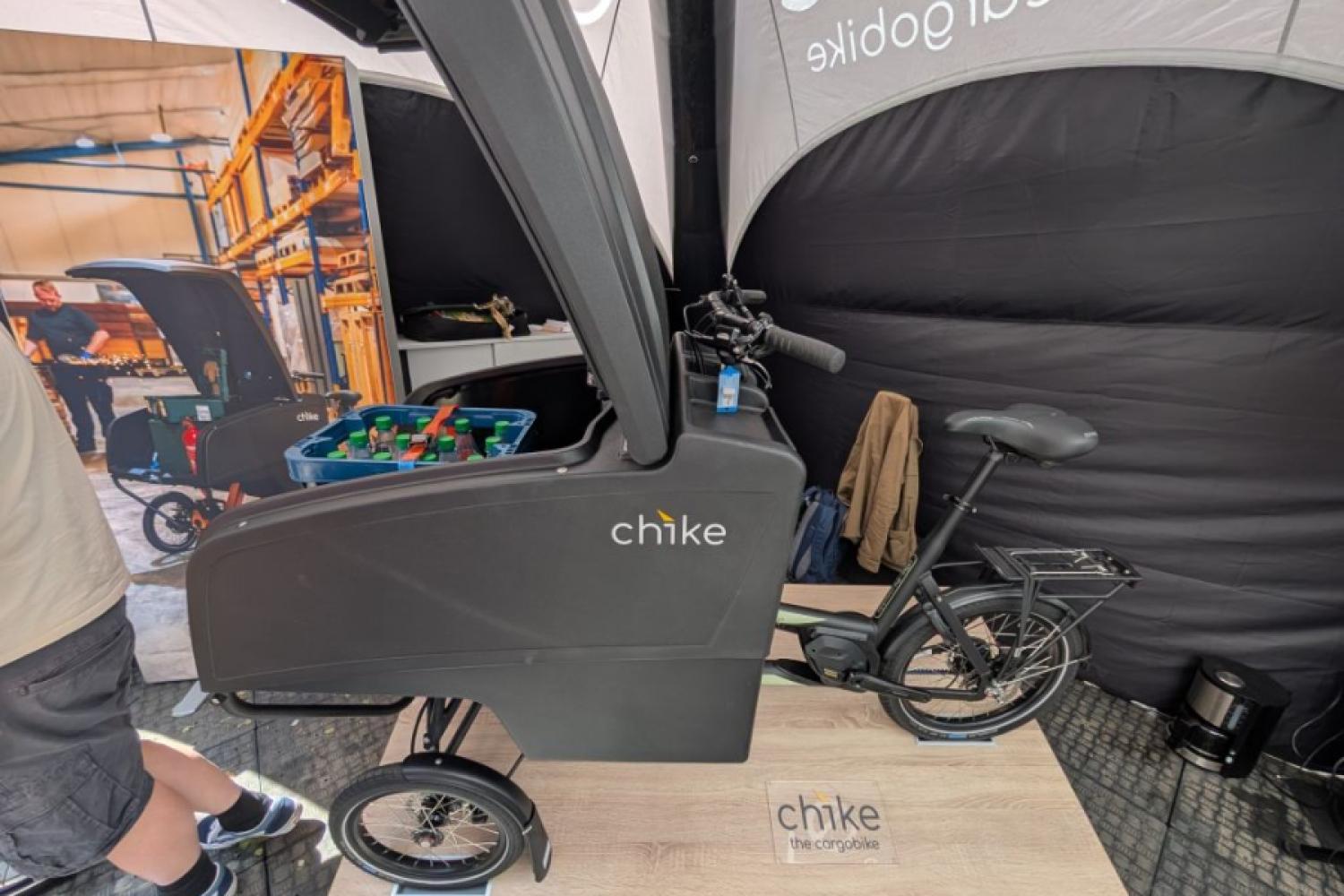
The application area of Transport and Logistics is, according to the report, leading in 2024 sales with 102,900 units – up 14 percent from the previous year. It thus accounts for more than 50 percent of the market share among professional service robots. These are mainly mobile robots for transporting and handling goods. While traditional sales remain the most important sales channel, RaaS offerings have grown in popularity in 2024 with a growth rate of 42 percent. Indoor transport without public traffic is the most important application class within this segment. A focus chapter of the Fraunhofer IPA team is dedicated in the World Robotics 2025 Service Robots annual report to the drivers and challenges of this dynamic market.
Robots in the hotel and hospitality industry, according to the study authors, number more than 42,000 units and rank second. The segment recorded an eleven percent decline in 2024. These robots are mostly used as mobile
assistants for information and telepresence in public spaces. The service robots take on smaller services at the reception or are intended to promote sales in shopping centers or individual stores. The sector is developing rapidly, according to the report. New application areas have emerged, for example, with the preparation of dishes and beverages.
Demand for professional cleaning robots is in third place with a rise of 34 percent to more than 25,000 robots sold. The main application is cleaning of floors, for example in airports, supermarkets, and shopping centers.
Sales of service robots in agriculture rank fourth and declined slightly by six percent to almost 19,500 units sold. The decline is mainly due to the cultivation and milking sectors.
The application group search-and-rescue robots as well as security robots ranks fifth with a total of 3,100 units in 2024. This corresponds to an increase of 19 percent. Three out of four robots are used in this segment for security services.
Medical robots are gaining significant traction
The World Robotics 2025 Yearbook lists medical robots as a third category alongside service robots and industrial robots, in line with ISO norms: According to the report, sales of medical robots rose very noticeably by 91 percent in 2024 to around 16,700 units. Sales of rehabilitation and non-invasive therapy robots rose by 106 percent. Demand for surgical robots grew by 41 percent, and the sales of robots for diagnostics and medical laboratory analysis by 610 percent.
Robots for private use
Service robots for private use are produced for a mass market and, in 2024, with almost 20 million units sold, recorded solid growth of eleven percent, according to the survey. The by-far largest group in this segment are robots for the private household (floor cleaning, lawn mowing, and so on). In particular, providers from Europe and the Asia-Pacific region benefited from rising demand with growth rates of 16 percent each. Sales in America declined slightly by about one percent due to market losses for robot vacuum