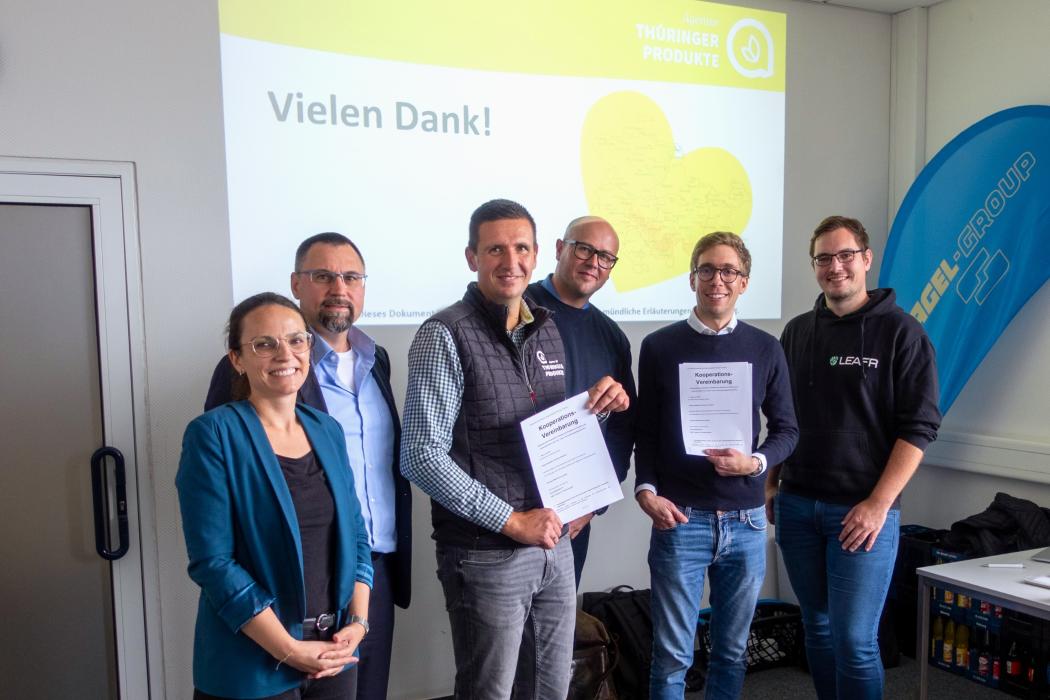
The Thuringian Products Agency and the logistics company Leafr launched a new collaboration in Gotha on October 29, 2025. The aim of the partnership is to improve B2B food logistics in rural Thuringia and strengthen regional value chains. According to the partners, the project is intended to make transport processes for regional produce more efficient, sustainable, and economically viable.
Challenges in regional logistics
Particularly in rural areas of Thuringia, small and medium-sized food producers have so far encountered structural hurdles. They lack access to professional logistics networks, which makes deliveries to gastronomy, retail, or tourist businesses involve substantial effort and high costs. At the same time, the demand for regionally produced foods is
rising in cities such as Erfurt, Weimar, and Jena. According to the Thuringian Products Agency, the new cooperation is intended to close this gap between supply and demand.
Technological Basis and Regional Networking
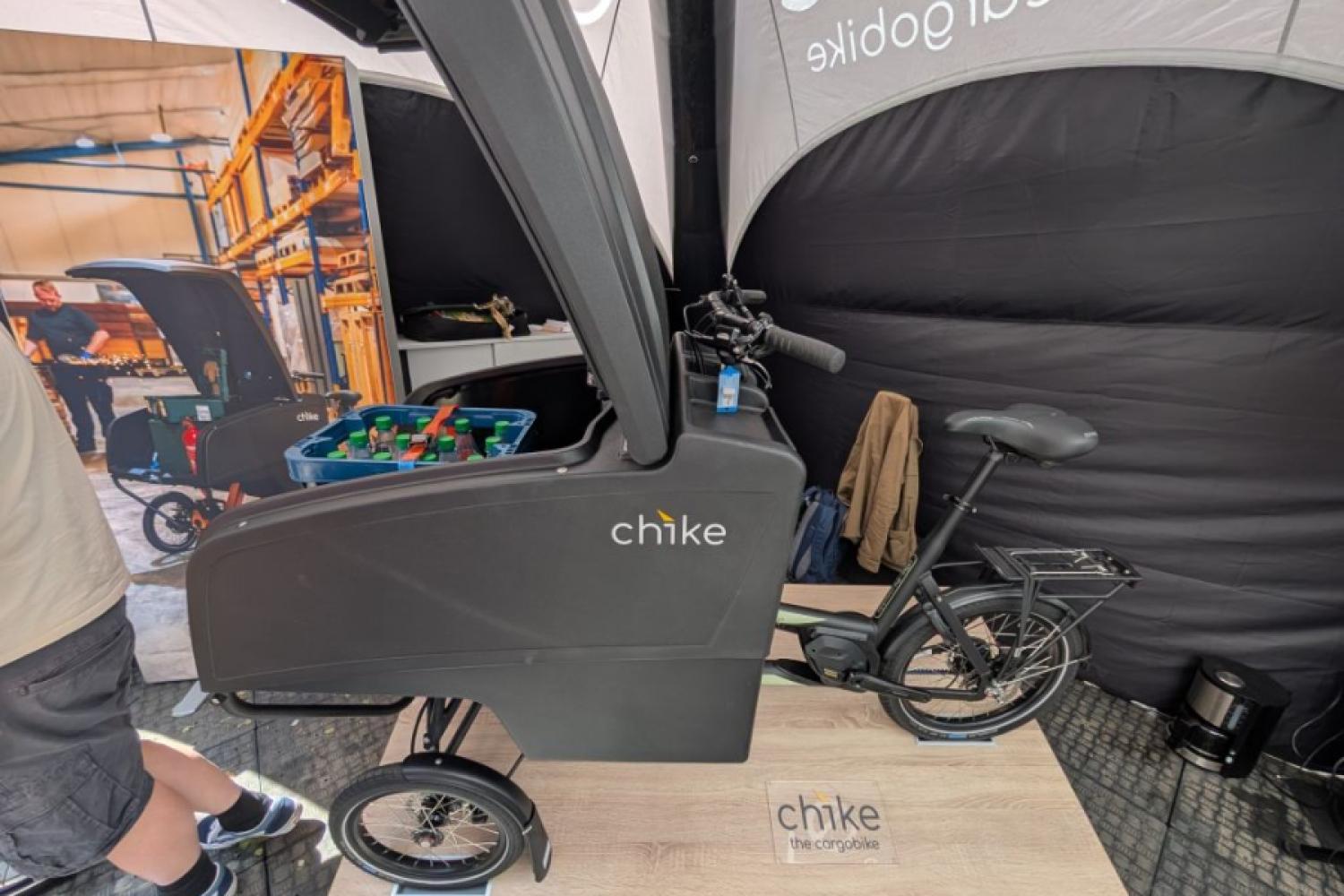
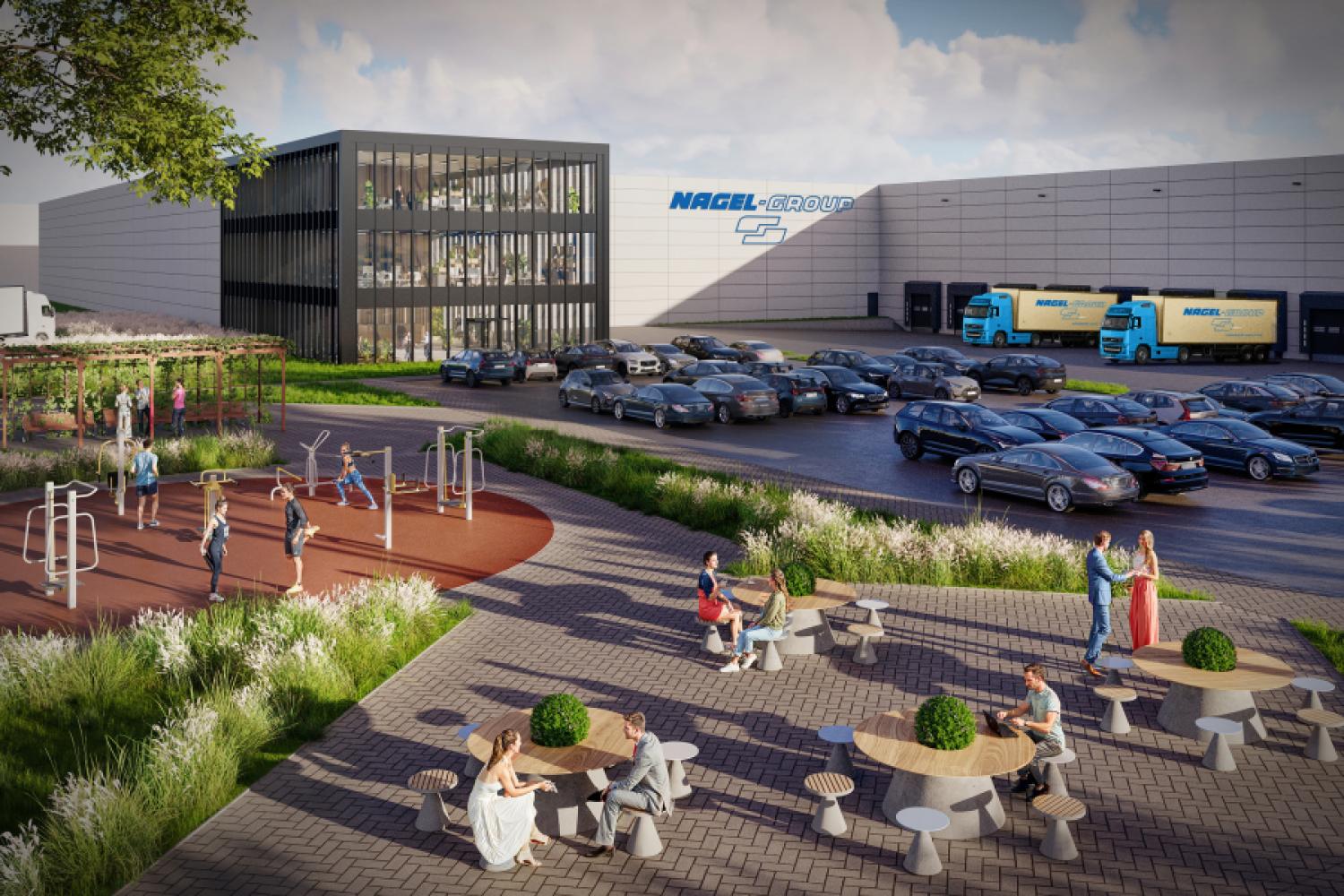
Leafr, which as the Nagel-Group's first corporate venture specializing in sustainable and digital logistics solutions, brings to the project its technology platform, a food-oriented infrastructure, and concepts for micro-hubs and bundled supply chains. The Thuringian Products Agency provides the connection to regional producers, marketing partners, and players in the gastronomy and tourism sectors. The project is supported by the Thuringian Ministry of Economic Affairs, Agriculture and Rural Development (TMWLLR) through the Thuringian Development Bank under the Collaboration Promotion (ZFL) in
the Agricultural, Forestry, and Food Sectors.
Digital Platform Solution for Transport and Distribution
As part of the project, a digital logistics platform is to be implemented that coordinates pickup, intermediate storage, and delivery. According to Leafr, food products can be delivered to gastronomy, farm shops, hotels, or regional retailers more efficiently and with reduced climate impact through consolidated tours. By sharing vehicles and infrastructure, transports can be made more efficient and the ecological footprint reduced.
Benefits for the regional economy and environment
Through the new logistics model, producers gain access to new distribution channels without having to invest in transport infrastructure themselves. Gastronomy and tourism businesses benefit from more reliable deliveries of fresh
regional products. Retail can also respond more flexibly to demand through consolidated transports. According to the company, shorter transport routes and the use of electric vehicles are expected to reduce the environmental burden.
Pilot Region and Outlook
The pilot project will begin once Leafr's new vehicles are ready for operation. It is planned to start around Gotha, i.e., in the Erfurt–Weimar area and toward the Thuringian Forest. Initial partners from gastronomy, retail, and direct marketing are already on board. In the long term, the concept should be expanded to all of Thuringia. According to the project partners, the collaboration should demonstrate how rural regions can be better connected to urban markets through digital