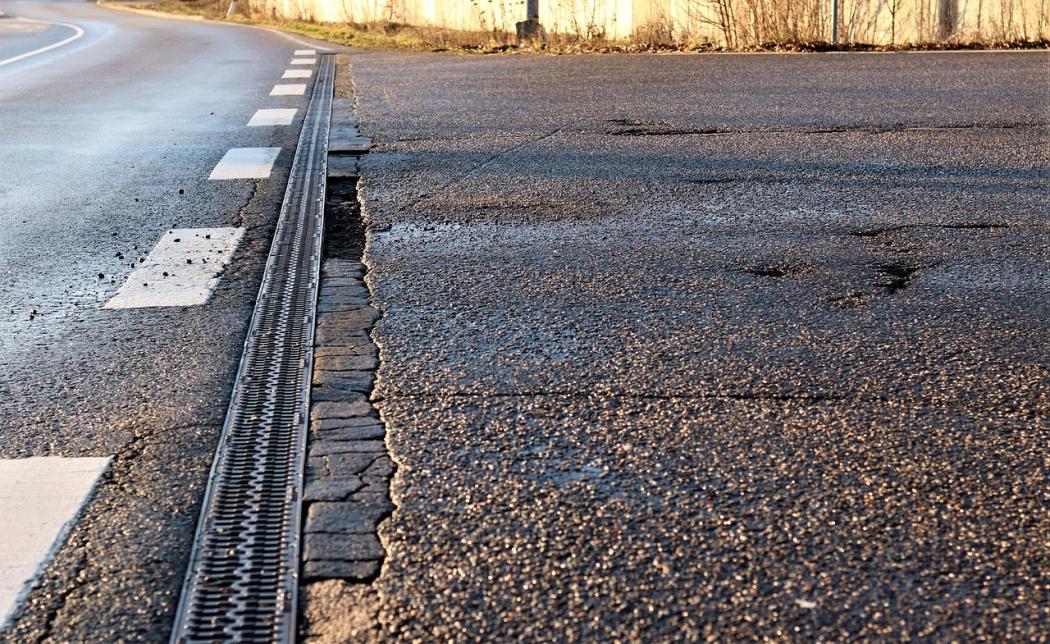
There are numbers that sound like a bad joke. 15 billion euros are missing from the budget of the Federal Ministry of Transport – precisely in the years 2026 to 2029, in which Germany allegedly wanted to launch the 'modernization offensive'. At the same time, the black-red coalition under Chancellor Friedrich Merz massively expanded the financial framework: the special fund totals 500 billion euros, of which 100 billion is for climate protection. The money is earmarked, but on the roads the pothole stays where it is.
Billions in the Special Fund, billions shortfall in the budget
That nothing can be done with the budget draft has been made clear by the states at the Conference of Transport Ministers in Munich. Projects such as the A20, the A8 on
the Alb ascent, or the A99 near Munich threaten to be scrapped. Those who manage fleets know that delays on these routes cost not only time but real money.
Drivers between rest-stop distress and pricey power sockets
While billions are shifted into funds, drivers continue to camp at rest areas without toilets and showers. The electric truck desperately searches for sockets with affordable power; the hydrogen truck starves on the highway. Thus the transport transition on the road remains a pipe dream.
Railways in emergency operation: bridges crumble, trains go out of service
And on the rails, the same picture is emerging. Bridges in the Pegnitz Valley, long since closed to freight traffic, now cannot even withstand passenger traffic. The passenger association Pro Bahn criticizes temporary closures, although
the damage has been known for years.
“The financial policy of the previous federal governments of every color has led to German infrastructure rotting,” says Deputy Federal Chairman Lukas Iffländer.
DVF warns: The Special Fund must not be a shifting hub
Additionally: Even where additional billions are planned, they often do not end up in the infrastructure. DVF President Frank Dreeke notes that of 11.7 billion euros from the Special Fund and 1 billion euros from the defense budget in the 2025 budget draft, only 4.2 billion actually reach the transport routes in addition. For 2026, 22.8 billion euros are to flow – effectively 7.6 billion remain.
“The Special Fund must not be a shifting hub,” warns Dreeke.
He calls for an investment rate of 15 percent in
the core budget and a long-term financing perspective, also beyond the end of the Special Fund.
The transport transition needs infrastructure that carries
Climate protection belongs in the transport transition. Those who want to reduce CO2-emissions must expand rail, strengthen intermodal transport, establish transshipment centers and promote alternative propulsion systems – while ensuring that the roads function. Because even the best electric locomotive won’t get far if the bridge is closed or there is no parking space.
The Special Fund must not shine only in tables. It must become visible: in functional motorways, efficient rail corridors, terminals for intermodal transport and parking lots that offer drivers decent conditions. The transport transition does not ride on PowerPoint slides – it travels on wheels, rolls on rails, and needs the