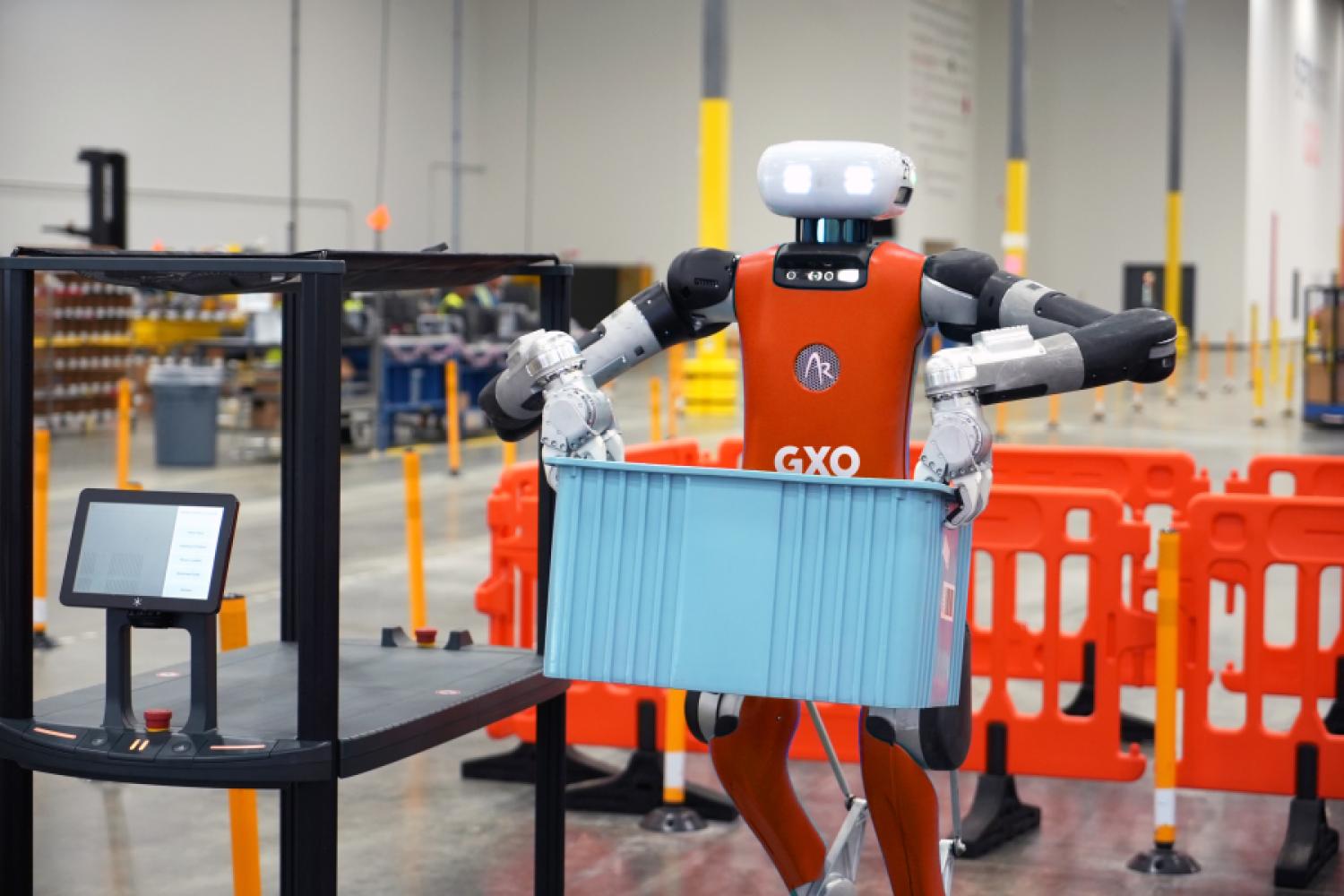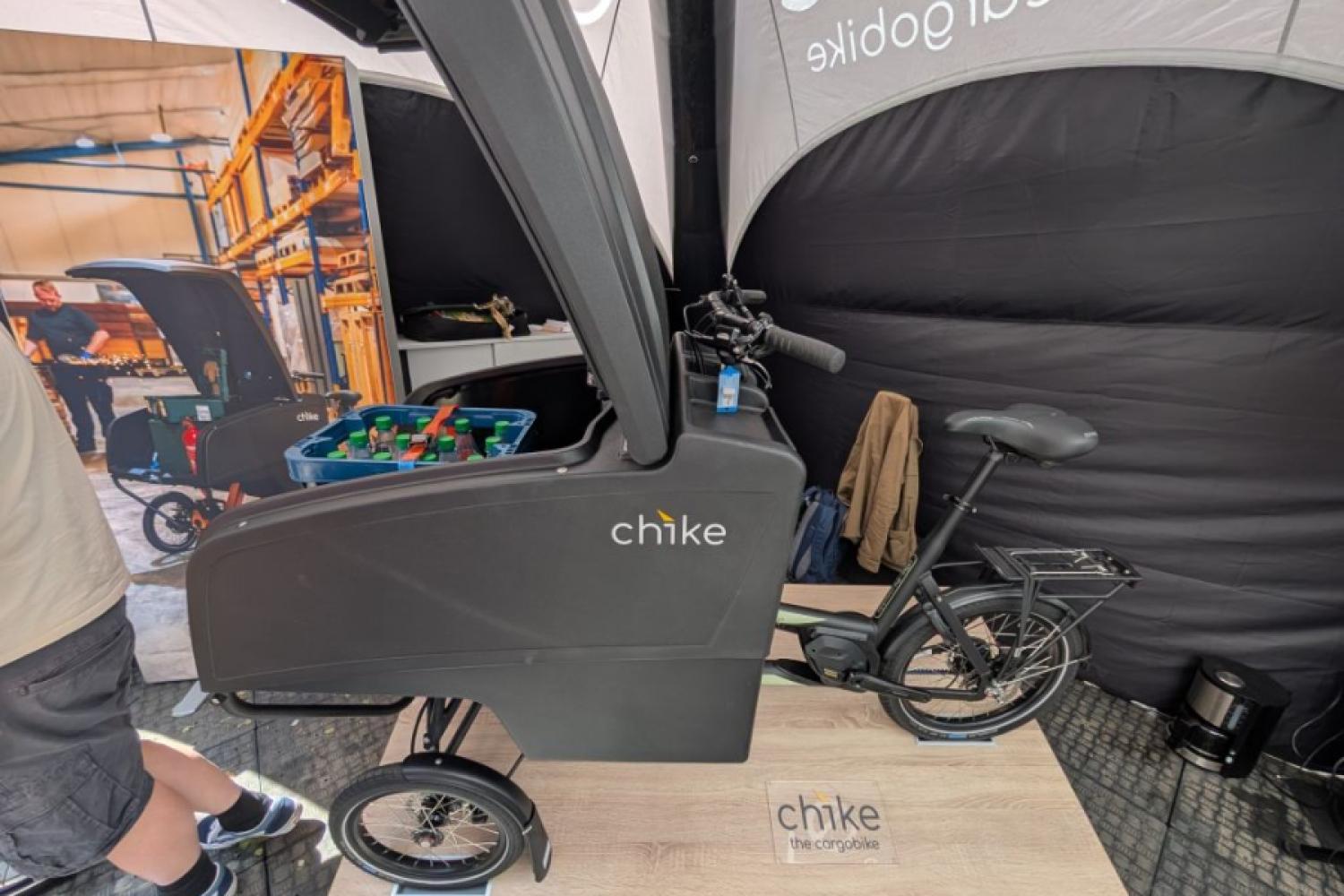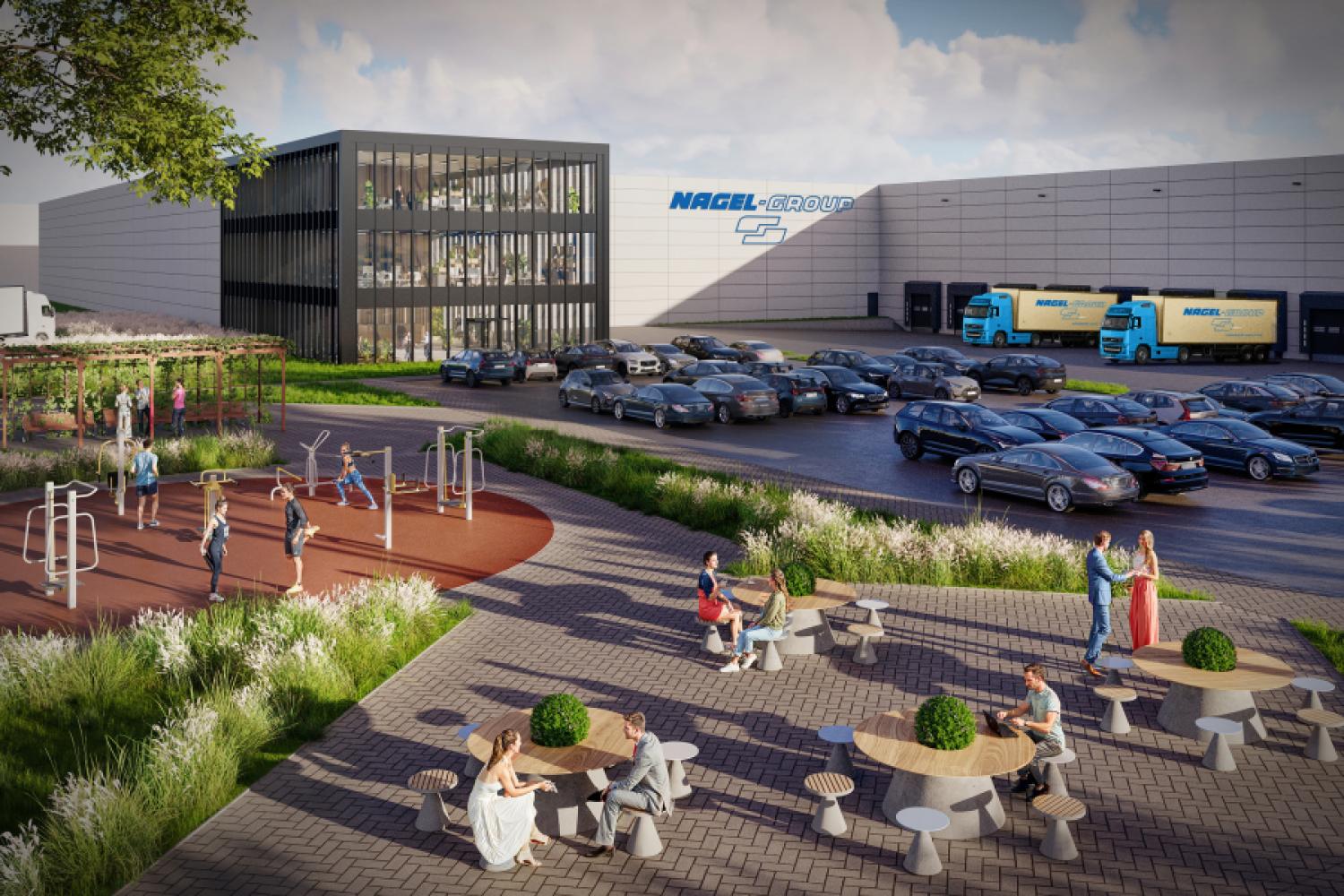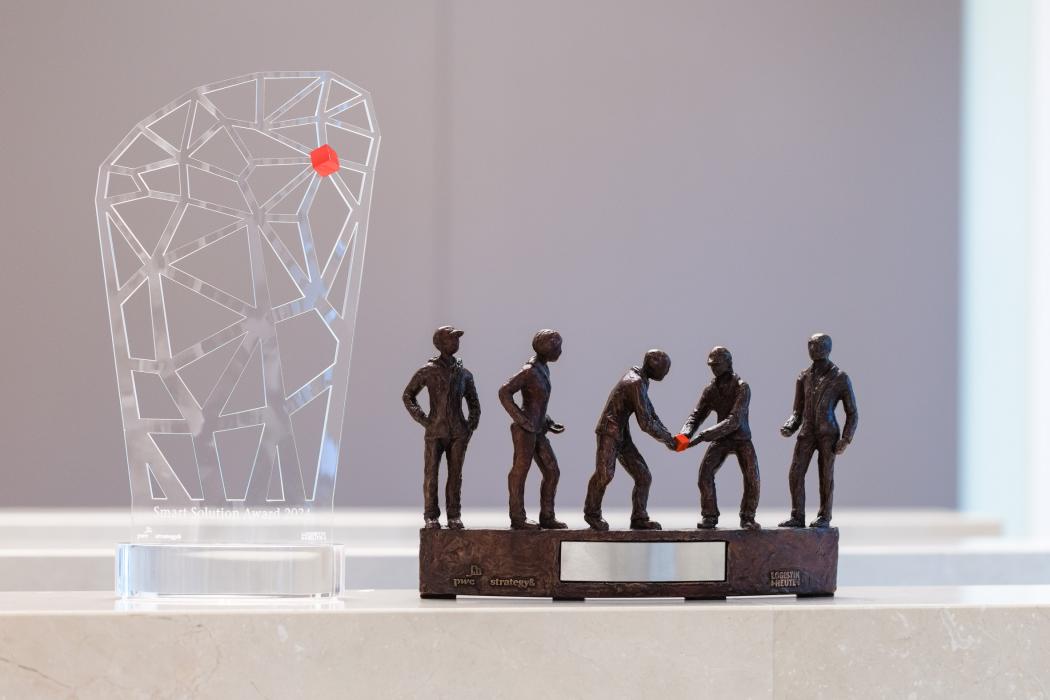
The eight finalists for the Supply Chain Awards 2025 have been announced. The final of the Supply Chain Management Award will be contested by Audi, Dr. Oetker, Rutronik and the Vehicle Lifetime Solutions (VLS) division of the Schaeffler Group. In the final round of the Smart Solution Award, CeiliX, IFCO, Merck and paretos will compete.
On 11 November, the finalists of both awards will present their concepts in Frankfurt am Main to both the audience and the jury. Following the presentations, an independent expert jury will decide the winners. In addition, participants will also have the opportunity to cast live votes during the event – the audience vote for the Supply Chain Management Award and for the Smart Solution Award will each feed into the jury voting.
The ceremonial awards ceremony for the Supply Chain Awards 2025 will take place in the evening, directly after the final rounds.
The final day of the Supply Chain Awards 2025 is themed “Empowering Tomorrow: AI-Driven Supply Chains for a Smarter, Faster, and More Resilient Future.” The agenda includes exciting keynotes, an engaging panel discussion, and working sessions on supply chain management. The award winners and participants can also look forward to speeches by the laudators at the awards ceremony, extensive networking within the supply chain community, and the 20-year anniversary celebration of the Supply Chain Awards.
About the Supply Chain Awards
The Supply Chain Management Award
The Supply Chain Management Award is awarded this year for the 20th time by LOGISTIK HEUTE, Strategy& and PwC: This award honors outstanding SCM concepts that have been developed, implemented and are pioneering for other companies. The aim is to optimize the supply chain, reduce costs, increase transparency, or improve collaboration among teams. The 2024 reigning laureate is the technical trader Ludwig Meister.
The Smart Solution Award will be awarded for the eighth time in 2025 – for particularly innovative concepts that are still in an early stage of implementation. This prize recognizes solutions with the potential to fundamentally transform traditional value chains in the future. The Smart Solution Award 2024 was awarded to Cellumation.
The Finalists of the Supply Chain Management Award 2025
Audi
At the core of Audi’s application is the program “Act4Impact”: an initiative to systematically anchor sustainability in procurement and in the global supplier network. The goal is to effectively implement environmental, social, and governance requirements along the supply chain, to identify risks and opportunities early, and to enable collaborative improvements. The approach is modular and scalable. Three action fields form the core: first, qualification of suppliers and buyers through training and practical guidelines; second, exchange and visibility of concrete projects on topics such as circular economy, decarbonization, water, biodiversity and human rights; third, empowerment through access to knowledge, tools and support, such as playbooks, formats for competency development and mentoring. In addition, Audi uses a binding framework of behavioral requirements for business partners, a procurement-mandatory sustainability assessment approach for suppliers, and a complaint and early warning procedure.
The established process strengthens compliance capability and resilience, increases transparency and predictability, and fosters collaboration and innovation within the network. Act4Impact is integrated into purchasing processes and designed as a blueprint for brands and regions within the Group. Planned next steps include further internationalization, localized training formats, joint event series with partners, and the expansion of cross-functional collaboration platforms. In this way, Audi makes a measurable contribution to responsible business practices and to robust, future-ready supply chains.
About Audi
The Audi Group is one of the most successful manufacturers of automobiles and motorcycles in the premium and luxury segments. The brands Audi, Bentley, Lamborghini and Ducati are produced at 22 plants in 13 countries. Audi and its partners are active worldwide in more than 100 markets. As of December 31, 2024, more than 88,000 people were employed worldwide by the Audi Group, of whom more than 55,000 at AUDI AG in Germany. With its attractive brands and a wide range of new models, the company is consistently advancing the path to sustainable, fully connected premium mobility.
Dr. Oetker
Dr. Oetker is strategically reorganizing its supply planning processes and relies on an integrated, company-wide optimization. The aim is to standardize and professionalize planning across production sites, distribution centers, and business units. The need for action arose from process and system breakages, a high manual effort, siloed structures without global transparency, and increasingly volatile demand.
At the center of the realignment is a standardized template based on the modern end-to-end planning platform SAP IBP, including components such as Response & Supply and a Control Tower. This solution was developed, piloted in several projects, and is now gradually rolled out globally. It is tightly integrated with adjacent processes such as Demand Planning, Sales & Operations Planning (S&OP), and detailed production planning.
The new planning architecture brings tangible improvements: available quantities are allocated network-wide on a demand- and rule-based basis. In addition, restrictions regarding shelf-life dates and production capacities are considered, and multi-sourcing decisions are supported. Data such as inventories and orders are integrated in real time, providing significantly higher transparency and controllability. This is a key advantage in an environment where customers sometimes want same-day delivery. Automated procurement processes and an exception-based control relieve planners and create room for value-added activities.
The first go-live in the frozen foods network occurred in May 2025. Further roll-outs for the nutritional foods and fresh categories have already started. Feedback from the business units confirms increased efficiency and a smooth implementation. The solution is scalable, strengthens the already high service level and creates seamless end-to-end transparency. All of this provides a robust foundation for the next steps in Dr. Oetker’s supply chain transformation.
About Dr. Oetker
Dr. Oetker forms the umbrella for numerous production and distribution companies within the Oetker Group, active in over 40 countries and operating in Europe as well as in North and South America, Africa, Asia and Australia. In fiscal year 2024, Dr. Oetker, together with Coppenrath & Wiese Confectionery, achieved revenue of EUR 4.26 billion. Worldwide, more than 16,500 employees work for the companies. Founded more than 130 years ago in Bielefeld, the family-owned Dr. Oetker is one of the leading brand-name companies in the German food industry.
Rutronik
As a broadline distributor, Rutronik addresses the growing complexity in electronics distribution with a holistic, networked supply-chain initiative. The application focuses on end-to-end digitalization of interfaces and processes to suppliers and customers — with the goal of shortening lead times, reducing manual effort, increasing data quality and transparency, and strengthening collaboration in the network.
On the supplier side, Rutronik relies on AI-assisted document capture in incoming goods and receipts, developed together with partner COMI. Delivery notes and product labels are automatically recognized, relevant information extracted regardless of layout, and transferred directly into core systems. In combination with electronic data interchange, this creates a seamless, traceable process that minimizes errors and improves traceability.
On the customer side, process automation is realized through a parameterizable building block. Standardized and combinable process modules (for example delivery models, inventory and forecast exchange, packaging and labeling requirements) can be configured per partner "at the push of a button." A central integration and conversion setup connects systems and supports different formats and communication channels; APIs and secure connections are part of the architecture.
The established framework increases standardization while maintaining high flexibility, stabilizes service levels, and reduces process risks. It is modular, scalable, and anchored in sales, operations or IT, materials management, logistics, supply chain management as well as administrative departments. Next steps include expanding secure, high-performance data flows, further automating customer communications with AI-assisted assistants, additional standards for traceability, and supporting medium-sized partners in digitizing and automating their processes.
About Rutronik
The Rutronik Elektronische Bauelemente GmbH is a owner-managed, internationally active distributor headquartered in Ispringen near Pforzheim (Germany). The company offers a broad portfolio of semiconductors, passive and electromechanical components up to embedded, display and wireless technologies. With offices and logistics centers in Europe, Asia and North America, Rutronik primarily supports SMEs across various industries along the entire value chain. The consulting includes design-ins, in-house
developed boards and development kits with partly patented hardware and software, technical consulting, as well as customized logistics systems and supply-chain solutions.
Schaeffler
With the Vehicle Lifetime Solutions (VLS) division of the Schaeffler Group, the company presents an AI-assisted, networked program to modernize demand forecasts in the automotive aftermarket. The starting point was globally used, historically based standard procedures. Schaeffler VLS uses a neural network as a model to derive the most accurate demand forecast from various relevant data sources. In addition to order histories, prospective collaborative forecasts, price information, product lifecycles, and vehicle inventories are included. Thus, a learning system emerges that detects trends faster, models seasonality more accurately, and reliably accounts for new product introductions.
The implementation is carried out in steps – from research and prototyping to pilot applications and regional rollouts – and is continuously developed, for example for longer planning horizons and integration of additional data. The approach is scalable and fundamentally suitable for additional locations and business areas.
The benefit is seen along the end-to-end supply chain: higher delivery reliability and plannable service levels, better predictability and capacity assurance in logistics, more reliable demand signals for suppliers, and more targeted inventory control and an eased cash flow. At the same time, the solution strengthens resilience to market fluctuations and creates a robust, data-based decision-making foundation. The initiative contributes to Schaeffler VLS’s digital agenda—with a focus on innovation, agility, efficiency, and sustainability—and underscores the aim of advancing operational excellence in the aftermarket.
About Schaeffler VLS
The Vehicle Lifetime Solutions division of Schaeffler is responsible for the global mobility ecosystem and provides components and holistic repair solutions for passenger cars, light and heavy commercial vehicles, as well as tractors. With a comprehensive system understanding and extensive service offerings, the division also supports workshops in complex repairs. With more than 3,800 employees, the Schaeffler VLS division achieved revenue of around three billion euros in 2024.
The Finalists of the Smart Solution Award 2025
CeiliX
CeiliX, a high-tech company from Euskirchen, is set to revolutionize industrial automation by exploiting the ceiling as a dimension previously unused. Since its founding in 2024, CeiliX has been developing ceiling-based automation systems that enable flexible overhead mobility for cranes, robots, and material flow. The patented technology is developed in collaboration with industry giants such as Bosch Rexroth, Kassow Robots and regional manufacturing partners to transform environments where spatial or economic constraints have previously limited automation.
At the core of CeiliX technology is a modular ceiling grid on which patented carrier vehicles move freely and omnidirectionally. Controlled by software for positioning and fleet coordination, the units transport loads, position tools or cobot arms, and, if needed, work in coordination. The approach replaces fixed rails and limited crane reach with free movement and parallel workflows, independent of spatial constraints. The solution is applicable along the end-to-end supply chain in production and intralogistics – from incoming goods to internal transports and storage to assembly. It can be tightly integrated with ground-based mobile robots, including load handovers between the two levels.
The advantage includes significantly better space utilization, fewer bottlenecks on the factory floor, and lower collision risks. More stable cadences and better planning increase the service level, and automating repetitive tasks helps address staff shortages and thus strengthens resilience. The technology has been in productive use since 2025; pilot projects for expansion stages are underway in Europe and the USA. This includes rollout via integration partners, expansion to complete block storage systems, industry-specific certifications, and direct power supply through ceiling elements. Thanks to modular architecture, the solution is scalable across sites and networks and demonstrates CeiliX’s versatility in solving automation challenges.
IFCO
IFCO, headquartered in Pullach, provides reusable packaging solutions for fresh products and operates a large pool of over 400 million reusable packaging containers (RPCs) in more than 50 countries. With its SmartCycle-Pooling model, IFCO ensures RPCs are collected, cleaned, inspected and returned to the cycle after use.
With its innovative “Tracking as a Service” (TaaS) solution, IFCO is among the finalists of the Smart
Solution Award. The solution is based on an IoT mesh network that combines Bluetooth Low Energy (BLE) devices with GPS-enabled devices, enabling seamless traceability. The devices provide real-time data on key parameters such as location and temperature and have a robust battery life of over seven years.
The TaaS solution is seamlessly integrated into a cloud-based analytics platform that offers configurable notifications, intuitive dashboards, and API integration. This gives users easy access to all relevant data and enables informed decisions to monitor and control their goods along complex supply chains efficiently.
In global supply chains, lost assets, inefficient returns, and lack of transparency lead to higher costs, losses and disruptions — underscoring the need for intelligent, connected solutions. This is where IFCO’s TaaS solution comes in: it prevents asset losses, creates transparency in the supply chain, sustainably reduces process costs and simultaneously minimizes waste, transports and CO2 emissions.
As a plug-and-play tracking system, the solution requires only minimal setup effort and no elaborate infrastructure, making it ideal for a rapid rollout. It is scalable, efficient and tailored to reusable packaging, but can be transferred to many other use cases and industries.
Merck
Merck, a leading science and technology company, operates in Life Science, Healthcare and Electronics. About 62,000 employees work to make a decisive difference in the daily lives of millions of people for a more livable future: from products and services to accelerate the development and manufacturing of medicines, to discovering unique ways to treat diseases and to providing applications for intelligent devices – Merck is everywhere. In 2024, Merck generated revenue of EUR 21.2 billion in 65 countries.
About “M-Trust”: With the evolution of supply chains, organizations across various industries face growing challenges regarding product safety, traceability, authenticity and compliance with digital product passports. The rise in counterfeits and the need for consistent quality assurance illustrate the demand for innovative solutions. In response, Merck has launched the beta version of the M-Trust platform.
M-Trust is a secure cyber-physical trust platform that enables organizations to ensure product quality and authenticity across their value chains by immutably linking physical objects to their digital counterparts. Driven by Web 3.0 technology, the new platform enables the creation of digital twins for enhanced product safety and provides access to reliable data in complex value chains. As Platform as a Service (PaaS), M-Trust offers software that can be easily integrated into existing workflows, customizable crypto anchors and reader hardware.
To support the EU digital product passport, M-Trust establishes immutable digital identities for products that improve traceability and verification at every stage of the supply chain. These crypto anchors enable companies to combat counterfeits and ensure that consumers receive products that meet the highest quality standards.
Designed as a comprehensive solution, the M-Trust platform enables organizations to securely manage access to trusted data in every transaction and promotes transparency and trust in modern supply chains.
paretos
paretos
paretos is a European Agentic Decision Intelligence platform for forecasting and inventory planning. Small and large companies from various industries use paretos’ AI agents to make their planning, supply chain and production more efficient and resilient – including Otto Group, Edeka, HelloFresh, Faller Packaging, ArmedAngels or AAA-Pharma. Paretos’ self-developed AI approach combines deep learning, machine learning and other models. This yields automated, tailored solutions with a high degree of applicability and immediate business impact.
Among the key advantages of paretos is the short onboarding and implementation time. The AI agents can be flexibly used as standalone tools or integrated into existing systems, with their intuitively designed user interface enabling easy integration and operation. Companies thus achieve initial results within a few weeks. They also benefit from the advantage of working with a European AI technology that enables transparent business decisions and makes companies more resilient to the new volatile market challenges.
Founded in 2020 by Thorsten Heilig (CEO) and Fabian Rang (CTO) in Heidelberg, paretos pursues the vision that every company can make the best decision at any time.
Further information on the Supply Chain Awards at: https://supply-chain-awards.com and