In light of growing challenges in the logistics sector—from labor shortages to extreme weather events to increasing freight theft—the use of Artificial Intelligence (AI) is coming more into focus. In a roundtable with representatives from UNFI, Marsh, Samsara and the MIT Center for Transportation and Logistics, it was discussed how companies can, with the help of digital technologies, mitigate risks, optimize processes and deploy personnel more effectively.
Staff Shortages in Transport
A central topic was addressing personnel shortages in transportation. Forecasts from the U.S. Department of Transportation indicate that by 2026 more than 160,000 truck drivers could be missing. Companies like UNFI are meeting this trend with early-season onboarding, AI-powered learning platforms, and stronger integration of new employees into safety-relevant processes. AI applications help identify suitable training paths to get new hires productive more quickly and reduce the accident risk.
Telematics Warn Drivers About Bad Weather
The relevance of technology usage in vehicle operation is also evident: UNFI uses a vehicle telematics system with integrated weather monitoring and in-cab warnings to warn drivers in time about dangerous conditions such
as icing or poor visibility. This is complemented by targeted training for winter road conditions and an operational environment that promotes safety-conscious action. The basis of these measures is a combination of real-time data, sensor-based analysis and machine learning.
AI Detects Freight Theft
Another central field is the prevention of cargo theft. According to Marsh, this threat has changed significantly: Instead of opportunistic thefts, professionally organized, technologically supported offender groups now dominate. AI can help detect anomalies in the transport process, such as unusual movement patterns or temporal deviations. This enables early intervention and provides the basis for a more precise risk assessment by insurers.
Demand Planning, Inventory Distribution and Staffing Deployment Planning
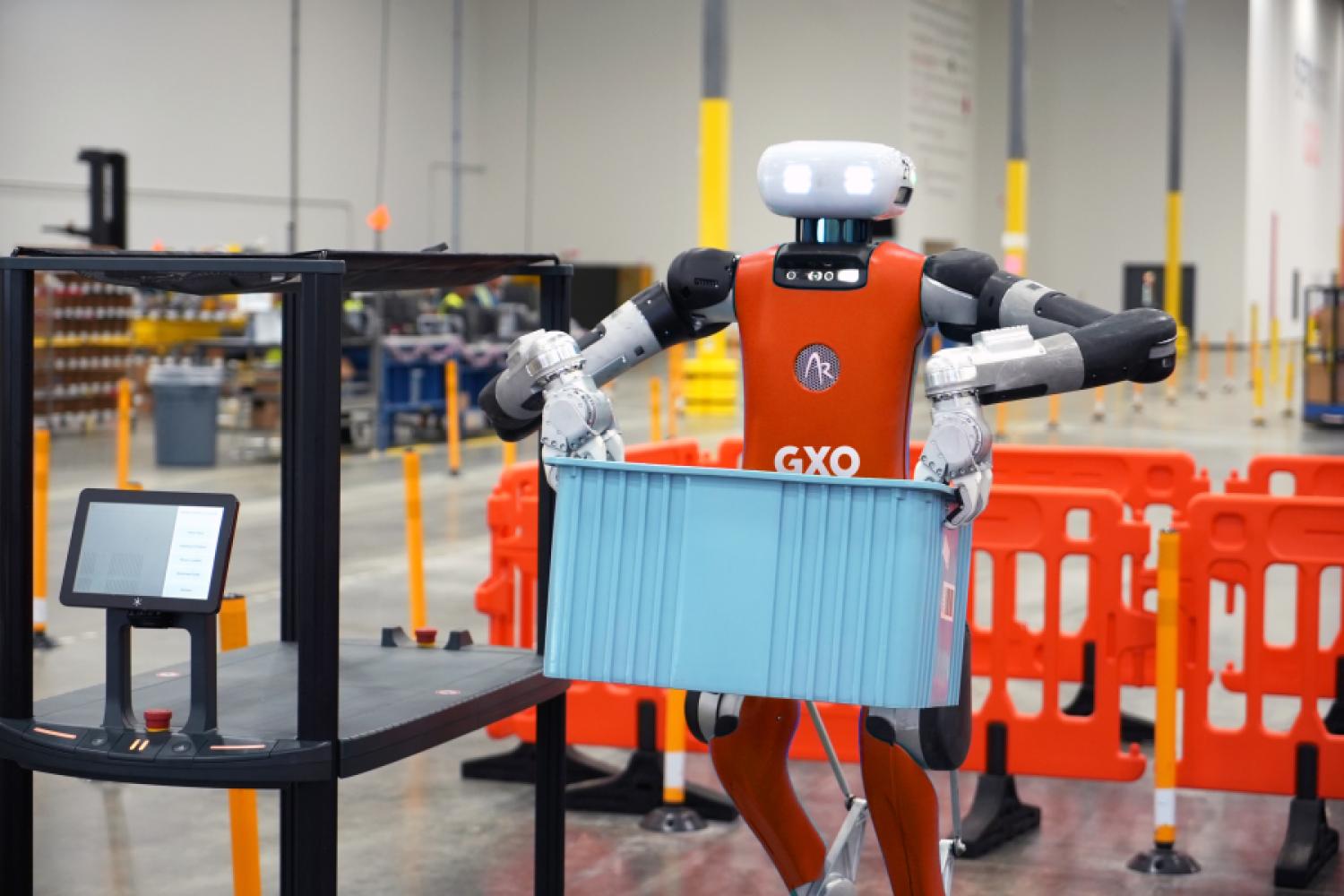
AI also delivers value in operational control within logistics. At UNFI, algorithms support demand planning, inventory distribution and staffing deployment planning. The goal is a more accurate forecast of the flow of goods, leading to fewer bottlenecks, reduced physical strain in the warehouse and a better service level. At the same time, AI-powered assistive systems are used in the picking process, as well as autonomous robots
that take over repetitive tasks.
Artificial Intelligence Shifts Job Profiles
According to the panel participants, the use of technology does not lead to job cuts but shifts job profiles and creates new qualification requirements. Investments in training and retraining went hand in hand with the introduction of digital solutions. Moreover, digital tools enable better capture and avoidance of risks such as overload, fatigue or dangerous driving behavior.
The discussion showed that AI in logistics contributes not only to efficiency gains but also improves safety, transparency and responsiveness along the entire supply chain. Companies that consistently use data and integrate technological developments into their operations can position themselves more resiliently—especially in times of high utilization such as the holiday season.
Background: UNFI
UNFI originated as a small distributor of natural foods for local retailers and today ranks among the largest publicly traded wholesalers of healthier foods in North America. The company was founded with the aim of making natural and organic products accessible to a broader audience. Over time, UNFI has significantly expanded its range and now offers a broad
spectrum of products and services that support the growth of numerous suppliers and retailers.
Background: Marsh
Marsh is an industrial insurance broker and risk advisor with a presence in over 130 countries. The company offers industry-specific brokerage and advisory services, claims management, as well as data- and technology-driven analyses to reduce total risk costs. With more than 45,000 employees, Marsh helps companies identify, manage and optimize their insurance solutions.
Background: Samsara
Samsara Inc. is a U.S. technology company based in San Francisco that develops IoT solutions for industrial and logistical applications. The company, founded in 2015 by Sanjit Biswas and John Bicket, offers software, sensors and analytics to optimize operations, particularly in transport, logistics and manufacturing. Customers include Ford, General Motors, DHL and Home Depot.
Background: MIT Center for Transportation and Logistics
The MIT Center for Transportation & Logistics (MIT CTL) was founded in 1973 and focuses on research and teaching in the field of supply chain management. The center connects students, researchers and industry partners to develop innovative solutions for real-world challenges in logistics and supply chains. (Source: