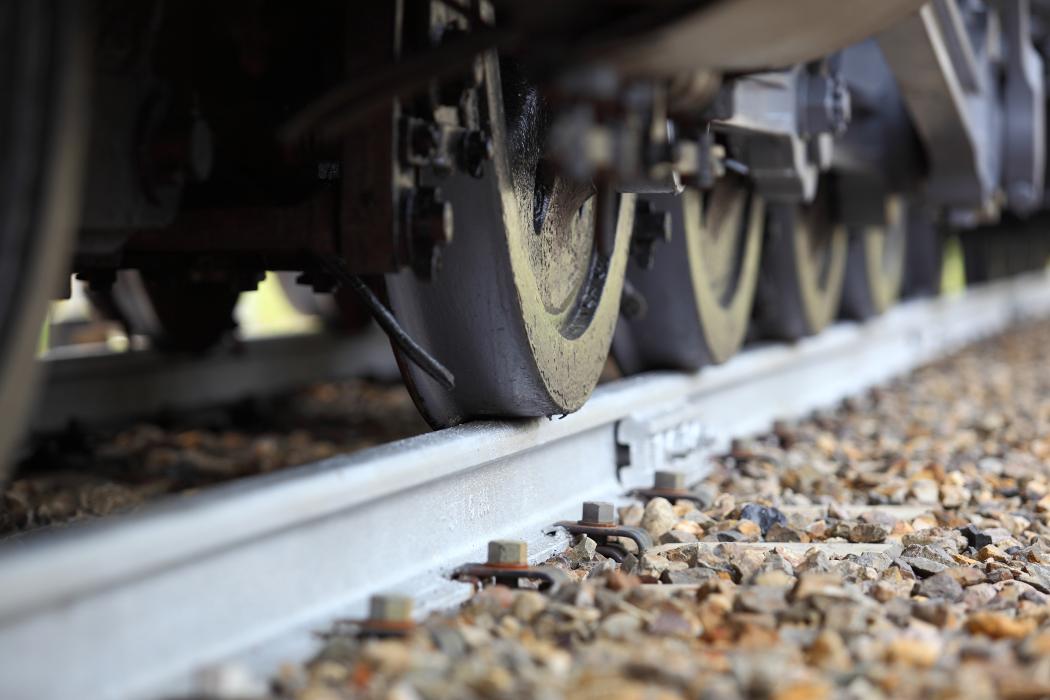
The Swiss Federal Office of Transport plans to implement measures to increase safety in rail freight transport also in Germany within 2025. The background is the derailment of a freight train in the Gotthard Tunnel in August 2023, which was attributed to a wheel fracture.
Mandatory documentation and changed procedures
In the future, for all freight wagons that traverse Switzerland, a valid proof of the last wagon's technical inspection must be available. Vehicle owners should also commit in a self-declaration to only use modern wheelset types. According to the requirements, train drivers should adjust their driving behavior to avoid
overheating of the wheels. Wherever operationally possible, an acoustic sound test should also be conducted at departure. The implementation of these measures must begin immediately and be completed by the end of 2025.
Results of the investigation report
As early as April 2025, the citizens' initiative Pro Rheintal pointed to the investigation report on the derailment. It states that cracks and wheel fractures can arise from overheating, which has been associated with the use of whisper brakes. Swiss experts describe this in this context as a system error. They fear that several thousand freight trains in Europe, including in
Germany, are operating with wheels that could potentially be affected by cracks and fractures.
Criticism of existing wagons
According to Pro Rheintal, it is problematic that older freight wagons were equipped with whisper brakes LL shoes. This technology can lead to high thermal loading of the wheel running surfaces and promote the formation of cracks. The initiative emphasizes that the decided measures do not ensure whether cracks have already formed or are close to forming.
Demands for additional steps
As a long-term solution, experts see the use of new freight wagons with disc brakes and curve-capable bogies. Since their
introduction, however, may take years, Swiss experts and Pro Rheintal are calling for short-term measures. These include a regular visual inspection of the wheel running surfaces, where the wagons are jacked up and the wheels are examined all around, as well as a reduction of speed in rail freight traffic within residential areas to 50 kilometers per hour.
Short-term implementability
According to Pro Rheintal, these two measures could be implemented in the short term. The initiative calls for them to be decided as soon as possible in 2025 in order to reduce the risks from wheel fractures and the